
Gas Fireplace Insert Installation With Legendary Chimney Solutions
Trust Us in Ormond Beach, Orlando & More
If you’re dealing with a drafty masonry fireplace that you’ve stopped using because it smokes, chills the room, or simply isn’t worth the effort, then maybe it’s time to upgrade to a fireplace insert. And if your lifestyle no longer fits the demands of burning wood, a gas fireplace insert is going to be the best solution. Fitting directly into your existing fireplace opening, these systems deliver real flames, real heat, and low-maintenance operation. At Legendary Chimney Solutions, we help homeowners across Eastern and Central Florida make the transition to gas insert systems with expert guidance, certified installation, and the kind of honest advice that only comes from over 32 years of hands-on experience.
Brands We Carry
Majestic
Urbana
Mendota
Marquis
Napoleon Green Mtn Hearth
Town & Country
Superior Fireplaces
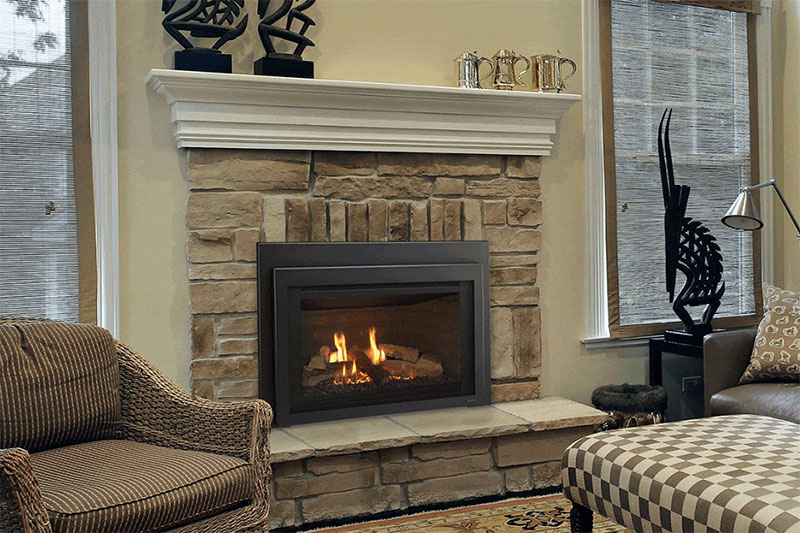
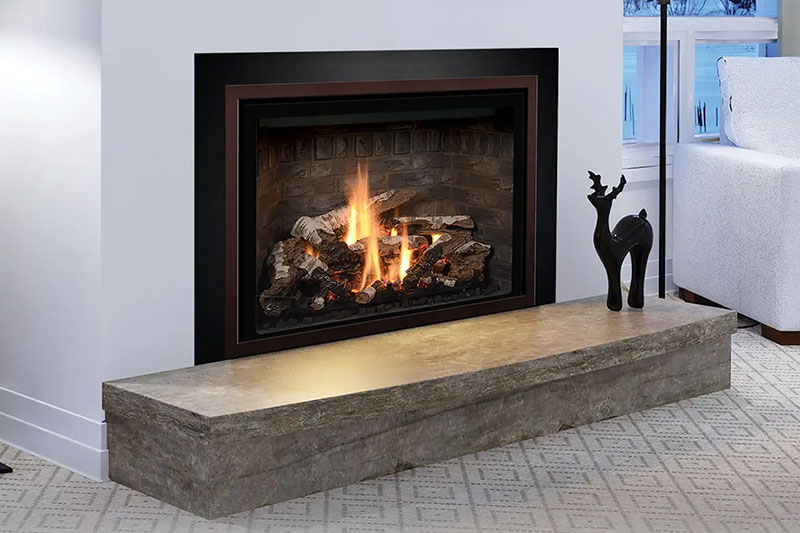
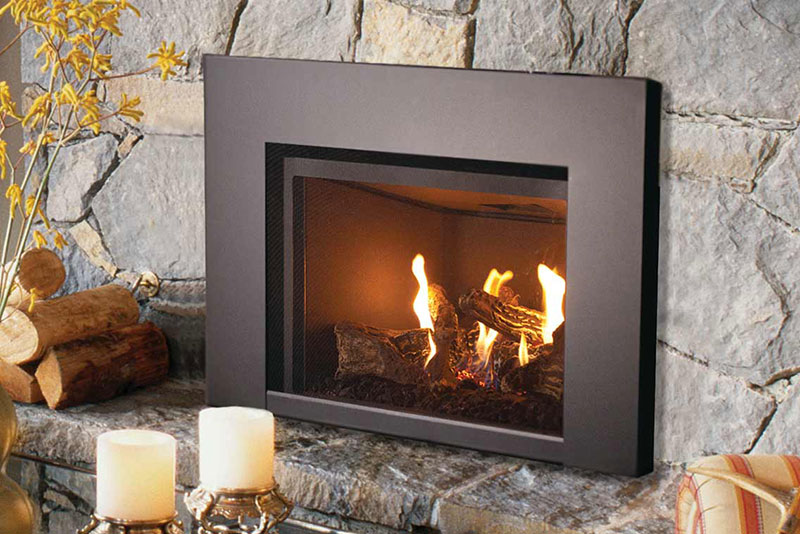
What Are the Real Benefits of Choosing a Gas Fireplace Insert?
Homeowners considering a gas insert are usually motivated by one or two specific frustrations with their existing fireplace, but the full list of benefits that comes with a properly installed gas insert often surprises people.
- Easy Operation: Turn the fire on and off with the flip of a switch, the push of a button on a remote, or a tap on a wall thermostat – no building, tending, or extinguishing a fire involved. The fireplace is ready within seconds and fully operational regardless of weather, season, or the availability of firewood.
- Dramatically Improved Efficiency: An open masonry fireplace operating with gas logs is still an open fireplace – and the majority of heat generated travels directly up the flue. A gas insert with a sealed combustion chamber and a properly sized liner routinely achieves70–85% efficiency ratings.
- Consistent, Controllable Heat Output: Unlike wood fires, which fluctuate based on load size and burn stage, a gas insert delivers consistent, adjustable heat at whatever level you set.
- No More Fuel Management: No firewood to source, split, season, store, or carry inside, and no ash to remove after every fire. You also wo’nt have to worry about insects, mold, or moisture introduced into the home via stored firewood.
- Cleaner Air Quality: Gas combustion produces dramatically fewer particulates and byproducts than wood combustion, and there’s no creosote accumulation to stress about either. A properly functioning gas insert with a sealed combustion chamber keeps all combustion byproducts contained within the flue system and out of your home’s air.
- Year-Round Aesthetic Value: The finished appearance of a gas insert, with its trim surround, clean glass front, and decorative media, elevates the look of virtually any fireplace from utilitarian to elegant
What Does the Gas Insert Installation Process Look Like From Start to Finish?
-
Inspection & Selection: A professional evaluates the chimney and firebox to confirm the correct insert size, style, and venting configuration.
-
Gas Line Integration: A licensed technician runs a dedicated gas supply line to the firebox, ensuring the line is sized correctly.
-
Liner Installation: A venting system (often a co-axial liner) is lowered through the chimney flue.
-
Insert Placement: The unit is positioned within the opening, where the flue collar is secured to the liner.
-
Safety Re-Testing: All gas fittings and the pilot assembly undergo a final leak detection test and positioning check.
-
Surround & Trim Work: Decorative panels and face frames are installed to create a functional seal between the insert and the masonry.
-
System Calibration: Technicians light the unit to verify proper flame color and height.
-
Orientation and Handover: The process concludes with a safety briefing, where the homeowner learns proper operation.
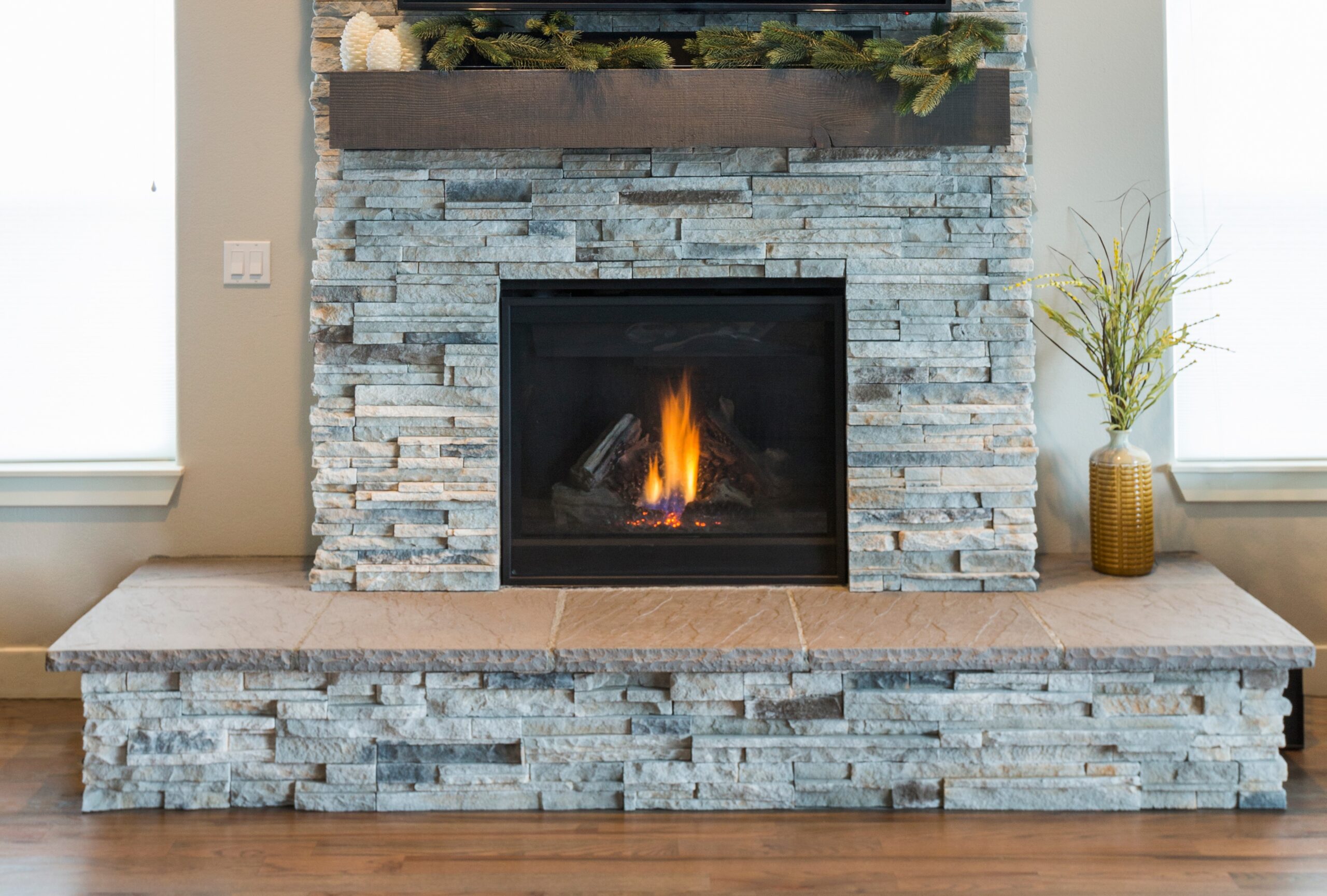
What Is a Gas Fireplace Insert? How Does It Differ from Other Gas Fireplace Options?
The term “gas fireplace” gets applied broadly to several very different products, and understanding exactly what a gas insert is (and isn’t) is important – and saves you from making a purchase that doesn’t fit your situation.
A gas fireplace insert is a self-contained, factory-built gas appliance specifically engineered to be installed within an existing masonry opening. It is not a standalone unit, not a gas log set dropped into a firebox, and not a built-in fireplace designed for new construction. It is a purpose-built system with its own firebox, sealed glass front, gas burner assembly, and dedicated venting sleeve, all designed to work together as a unified, high-efficiency appliance inside the shell of your existing fireplace.
- A gas log set is simply a burner and decorative log assembly placed inside an existing open firebox – it uses the existing chimney for venting and does not seal the fireplace opening, while a gas insert is a complete, sealed appliance – far more efficient, more controllable, and more visually polished than a log set.
- Built-in gas fireplaces (also called zero-clearance units) are designed for new construction or framed wall cavities and require no existing fireplace. A gas insert requires an existing fireplace opening and utilizes the existing chimney structure for its venting liner.
How Do I Operate My Gas Insert Correctly for Safety and Efficiency?
Gas inserts are intuitive appliances — but correct operation protects both your safety and the long-term performance of your system. A few fundamental habits make all the difference between a fireplace you enjoy confidently for decades and one that creates unnecessary risk or frequent service calls.
Before the first use each burn season, schedule a professional inspection, as components can degrade, seals can dry out, and vent terminations can become obstructed during hotter Florida months when the insert sits dormant. We also recommend the following:
- Visually inspect the glass panel for cracks or chips before lighting – and do not operate a gas insert with a damaged glass panel.
- Confirm that CO detectors in the home are functional and that batteries are current.
- If the insert fails to light after two or three attempts, stop and call a professional, as repeated unsuccessful ignition attempts allow gas to accumulate and create a hazard.
- Do not place any objects on, against, or directly in front of the insert during operation – the glass front surface reaches high temperatures and poses a serious burn risk.
- During operation, keep the glass panel fully closed – the glass is a functional component of the combustion system on direct vent inserts, not simply a decorative feature.
- Use only the decorative media provided with or approved by the manufacturer – never add wood, paper, or any foreign material to a gas insert firebox.
Can I Burn Wood in My Gas Fireplace Insert?
The short answer is no – and this is one of those cases where “no” isn’t just a recommendation. It’s a hard safety boundary that should never be crossed.
A gas fireplace insert is an engineered appliance specifically designed, tested, and certified to burn one fuel source: gas. Every component in the system, from the firebox lining to the burner assembly to the glass panel and door seals, is manufactured and rated for the heat output, combustion characteristics, and byproducts that gas combustion produces. Wood combustion is an entirely different animal, and introducing it into a gas insert system creates serious, potentially life-threatening hazards.
- The firebox isn’t built for wood combustion temperatures. A gas insert firebox is constructed and lined to handle the specific, consistent heat output that gas combustion generates. Wood fires burn significantly hotter and less predictably than gas flames. The refractory materials, seals, and metal components inside a gas insert are simply not rated for the thermal extremes that wood combustion produces.
- The glass panel will fail or break. The ceramic glass panel on a gas insert is engineered specifically for gas combustion, and is rated for a defined temperature range and for the clean, steady heat that gas produces. Wood fires generate unpredictable heat spikes, flying embers, and direct physical contact from shifting logs – none of which the glass is designed to withstand.
- The venting system cannot handle wood byproducts. Wood combustion produces creosote, and a gas insert liner is not designed to handle creosote accumulation, is not sized for the volume of wood smoke, and cannot safely vent the byproducts of wood combustion. Creosote buildup in a gas liner creates a chimney fire risk and can rapidly degrade liner components that were never intended to encounter it.
- The gas components could become damaged. The gas supply line, burner assembly, and gas valve are all still present inside a gas insert firebox. Burning wood in that same space puts those gas components at direct risk of damage. A damaged gas fitting or valve connection inside an active or recently used firebox is an exceptionally dangerous situation.
The bottom line? There is no safe version of burning wood in a gas insert. Your gas fireplace insert is a precision appliance with defined fuel requirements, and those requirements exist because engineers, safety organizations, and decades of real-world performance data established exactly what the system can safely handle. Burning wood in a gas insert puts your appliance, your chimney, your home, and your family at genuine risk. It’s not worth it.
Does a Gas Insert Still Require Annual Professional Maintenance?
The absence of creosote and combustion wood byproducts leads many gas insert owners to conclude that professional maintenance is optional or unnecessary. It is neither.
Annual professional service for a gas insert is just as important as it is for any other gas appliance in your home. Without regular maintenance you could see the following parts degrade over time:
- Vent Liner: Corrosion, physical damage, or failed connections in the liner are invisible from inside the home but have serious – and dangerous – consequences.
- Glass Door Seals: The ceramic gasket that seals the glass panel to the insert frame degrades with thermal cycling over time, and a failed seal allows combustion gases to bypass the glass and enter the room.
- Gas Valve & Connection Fittings: Gas valve components wear internally with age and use – connection fittings can develop micro-leaks that are imperceptible without proper detection equipment.
- Burner Assembly & Ports: Dust, insect activity, and debris accumulation in burner ports over Florida’s warm off-season months can cause uneven flame patterns and incomplete combustion.
- Thermocouple & Thermopile: These safety components have finite service lives – a weakening thermocouple may allow the gas valve to operate at the low end of its safe voltage range, increasing the risk of unexpected shutoff or valve failure.
- Termination Cap Condition: The exterior vent cap is exposed to weather year round, and screen corrosion, physical damage, or debris accumulation can restrict airflow and affect combustion performance.
- Blower Motor & Fan Assembly: Dust accumulation on fan blades reduces efficiency and can eventually cause motor overheating.
Ready to Transform Your Existing Fireplace with a Gas Insert?
Your fireplace already has the potential to be one of the most enjoyable features in your home. A professionally installed gas insert unlocks that potential, delivering real flames, reliable heat, and low-effort operation that fits the way you actually live. Whether you’re converting a drafty masonry fireplace, replacing an inefficient gas log set, or simply ready to stop managing firewood and start enjoying your fire, Legendary Chimney Solutions is ready to make it happen.
We proudly serve homeowners throughout Volusia, Orange, Seminole, Saint Johns, Lake, Flagler, Putnam, and Brevard counties – schedule with us today.
Looking for an insert option that requires no venting and next-to-nothing in terms of maintenance? Consider an electric fireplace insert.