
Gas Fireplace Installation: What Every Orlando & Ormond Beach Homeowner Should Know
Trust Us in Ormond Beach, Orlando & More
A gas fireplace offers something that’s hard to beat in modern home comfort – instant ambiance, consistent heat, and the flicker of real flames without the hauling, splitting, or storing of firewood. But “easy to use” doesn’t mean “no maintenance required.” Gas fireplaces are sophisticated systems with fuel lines, venting components, ignition assemblies, and safety mechanisms that all need to be properly installed, routinely inspected, and correctly operated. At Legendary Chimney Solutions, we help homeowners across Eastern and Central Florida get the most out of their gas fireplace systems.
Brands We Carry
Majestic
Urbana
Mendota
Marquis
Napoleon Green Mtn Hearth
Town & Country
Superior Fireplaces
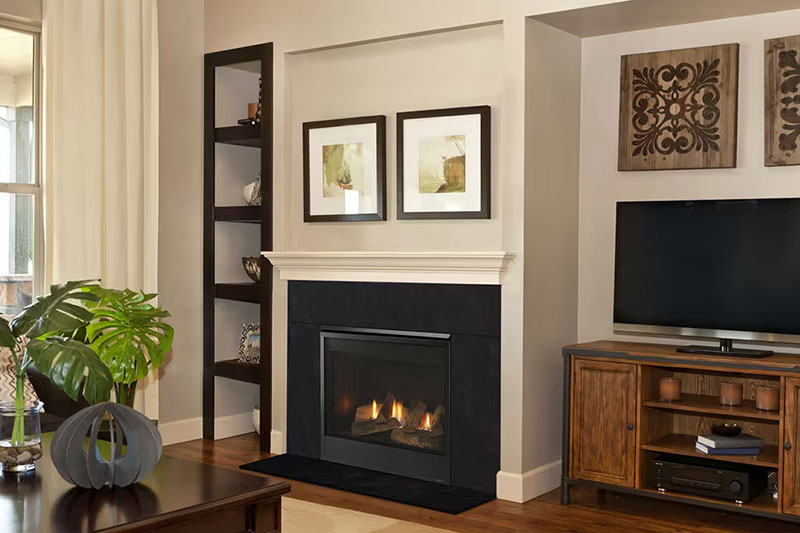
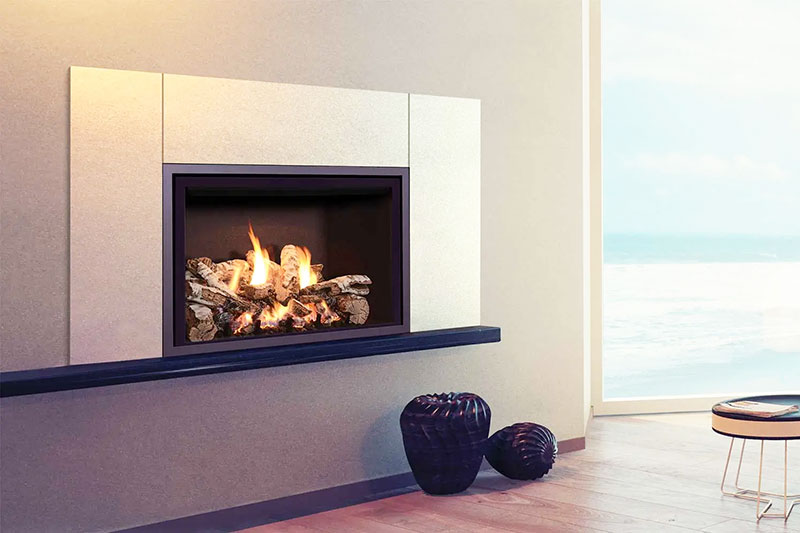
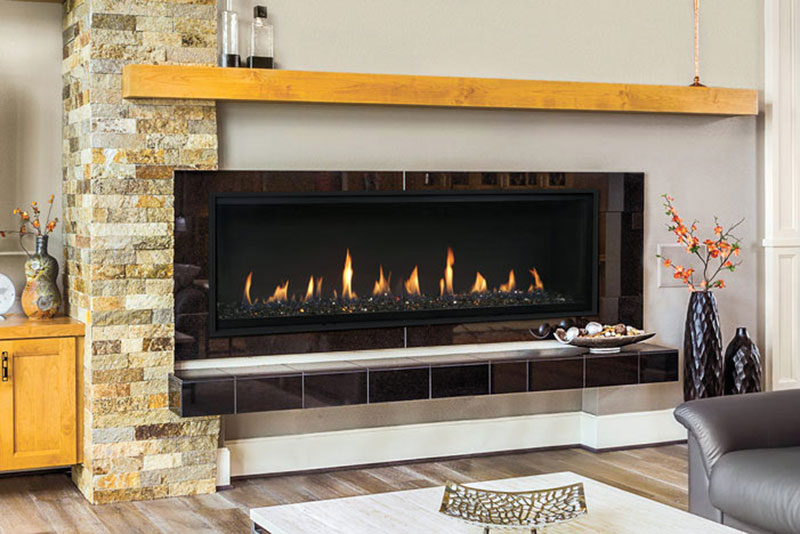
How Do I Operate My Gas Fireplace Correctly?
Properly understanding your system keeps it running efficiently and helps you catch early warning signs before they become bigger problems. When starting the fireplace, always refer to your manufacturer’s manual for ignition procedures specific to your model.
- For standing pilot systems: locate the pilot knob, depress and hold while lighting, then continue holding for 30–45 seconds before releasing to allow the thermocouple to heat
- For electronic ignition systems: simply turn the switch, use the remote, or engage the wall thermostat — the system handles the rest
Once your fireplace is on and operating:
- Keep the glass panel closed – the glass is engineered as part of the combustion system on direct vent units, and opening it disrupts airflow and can allow combustion gases into the room.
- Do not place objects on or directly in front of the firebox, as the glass surface on gas fireplaces gets extremely hot and poses a burn risk, especially for children and pets.
- Use only manufacturer-approved decorative media (log sets, glass beads, stones) – do not add foreign materials to the firebox.
- Never use the fireplace as a trash burner or place paper, wood, or any other material inside a gas firebox
What Does a Professional Gas Fireplace Installation Involve?
Gas fireplace installation is not a DIY project. It involves licensed gas line work, precise venting configuration, clearance requirements, and a series of safety checks that must be performed by certified professionals. An improperly installed gas fireplace is a genuine carbon monoxide and fire hazard. With a professional installation, you can expect:
- Evaluation of the installation site, including wall construction, ceiling height, and available venting path
- Connecting the fireplace to your existing natural gas supply or propane system
- Proper sizing of the gas line to match the BTU requirements of the unit
- All connections being tested for leaks before any ignition takes place
- Proper venting route planned and executed – horizontal through an exterior wall or vertical through the roofline
- Termination caps installed to prevent wind, rain, debris, and pests from entering the system
- Pilot light, thermocouple/thermopile, ODS, gas connections, and draft performance tested and verified

What Are the Signs That My Gas Fireplace Needs Professional Attention?
Gas fireplaces are known for being reliable, but if something does go wrong, it could result in dangerous situations – or in minor repairs turning into major ones. Knowing what to look for – and taking it seriously – is a must. Call a professional if you notice any of the following:
- The smell of gas (even faintly) near the fireplace or anywhere in your home. In these cases, exit the home and call your gas utility company immediately, then schedule a professional inspection before using the fireplace again
- The pilot light won’t stay lit. This typically indicates a failing thermocouple or thermopile, a dirty pilot orifice, or a gas supply issue.
- Yellow or orange flames. A properly burning gas fireplace produces blue flames with slight yellow tips on the log set. Predominantly yellow or orange flames can indicate incomplete combustion and a potential carbon monoxide risk.
- Soot or black residue around the firebox, glass, or vent termination. This should not occur with a properly functioning gas fireplace and signals a combustion or venting issue.
- A noticeable decrease in flame height or heat output. This is often a sign of a gas pressure issue, a partially blocked burner, or a deteriorating component.
- Unusual sounds. This could include popping, clicking after ignition, or excessive noise during operation may indicate ignition system issues or burner problems.
- The glass appears cloudy or hazy. This often indicates a failing seal or combustion issue depending on the type of residue.
Does a Gas Fireplace Still Need Annual Inspections?
This is one of the most common misconceptions about gas fireplaces – that because there’s no wood and no creosote, they don’t require professional maintenance. That’s simply not true, and treating your gas fireplace as a set-it-and-forget-it appliance is a mistake with real consequences.
- Venting components can corrode, crack, or become obstructed by debris and nesting animals, leading to carbon monoxide intrusion.
- Gas valve seals and connections can degrade over time, creating slow leaks.
- Burner ports can clog with dust and debris, producing uneven flames and incomplete combustion.
- Thermocouples and thermopiles wear out – if not caught early, this leads to ignition failure or an inability to keep the pilot lit.
- Glass seals deteriorate, allowing combustion gases to seep into the room on direct vent models.
- The firebox interior and ceramic log set collect dust and residue that can discolor the glass and affect flame appearance.
We recommend investing in annual inspections before the start of each burning season – and any time you notice a change in how your fireplace looks, sounds, or smells.
Can I Convert My Existing Wood-Burning Fireplace to Gas?
Absolutely – it’s one of the most popular upgrades we help Florida homeowners make. Converting from wood to gas gives you all the ambiance of a real fireplace without the work of sourcing, storing, and managing firewood.
What are my options for turning my wood fireplace into a gas one?
Gas Fireplace Insert
- A purpose-built gas unit that slides into your existing fireplace opening
- Comes with its own liner that runs through the existing chimney flue
- The most complete and efficient conversion option
- Seals the existing firebox cavity, eliminating drafting issues common with open masonry fireplaces
- Available in a wide range of styles, from traditional log sets to contemporary linear designs
Gas Log Set
- A burner and decorative log assembly installed directly into your existing firebox
- Less expensive upfront, but your existing chimney and flue remain in use
- Requires the existing chimney to be in sound, functional condition
- Comes in vented and ventless configurations – vented sets require the damper to remain open during operation
Before any conversion, book a thorough inspection of the existing firebox and chimney, as your new gas system is only as good as the structure it’s installed in. The gas line access must be established at the fireplace location, and local permitting may be required.
Is a Gas Fireplace a Good Fit for My Florida Home?
Florida’s climate makes a gas fireplace a surprisingly practical and popular addition. You don’t need snowstorms to justify a fireplace – you need cool evenings, a comfortable living room, and the kind of ambiance that no candle or space heater can replicate.
- Instant on/off operation means you get warmth and atmosphere exactly when you want it, even on a mild evening.
- No need to store firewood, which can attract pests and introduce moisture and mold risks in Florida’s humidity.
- Gas systems require lower ongoing maintenance compared to wood-burning systems.
- Direct vent systems are ideal for Florida’s energy-efficient, well-sealed homes.
- They’re excellent for adding value and visual appeal to a home without a major structural project.
Ready to Install, Upgrade, or Service Your Gas Fireplace?
Whether you’re considering a brand-new gas fireplace installation, converting your old wood-burning system, or simply overdue for a professional inspection, Legendary Chimney Solutions is ready to help. Our CSIA-certified master sweep brings over 32 years of hands-on experience to every job, and because we’re a family-operated business, you’ll always speak with someone who genuinely knows their craft and cares about getting it right.
Call us today or reach out online to schedule your gas fireplace installation consultation or annual service inspection. We proudly serve homeowners throughout Volusia, Orange, Seminole, Saint Johns, Lake, Flagler, Putnam, and Brevard counties – and we’re committed to keeping your home warmer, safer, and more comfortable with every season.
Think you’d be more interested in an electric fireplace? We have lots of great fireplace options.