
Gas Stove Installation With Legendary Chimney Solutions
Trust Us in Ormond Beach, Orlando & More
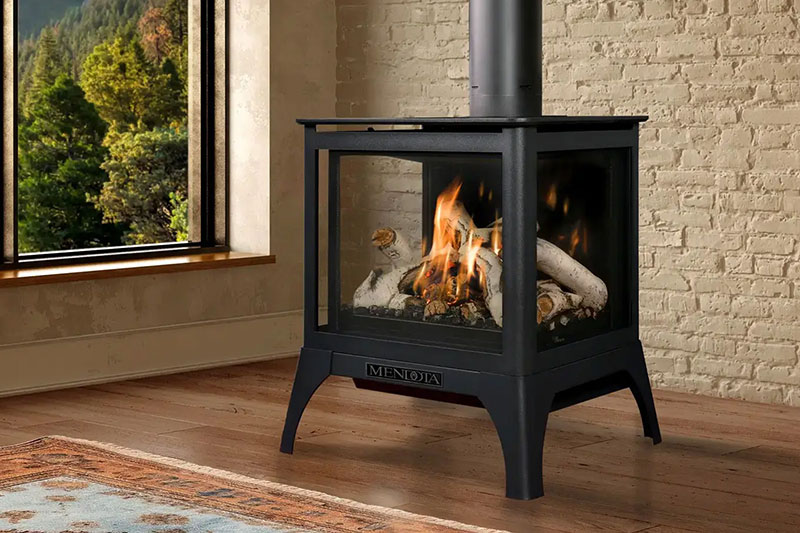
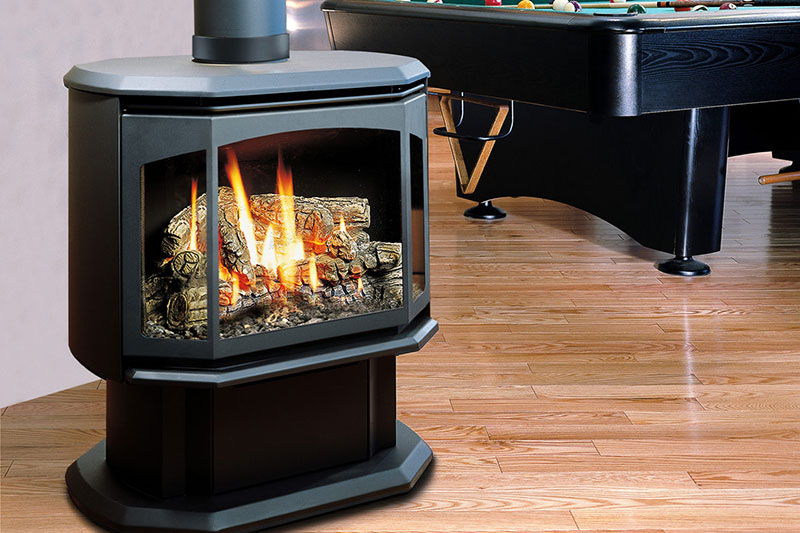
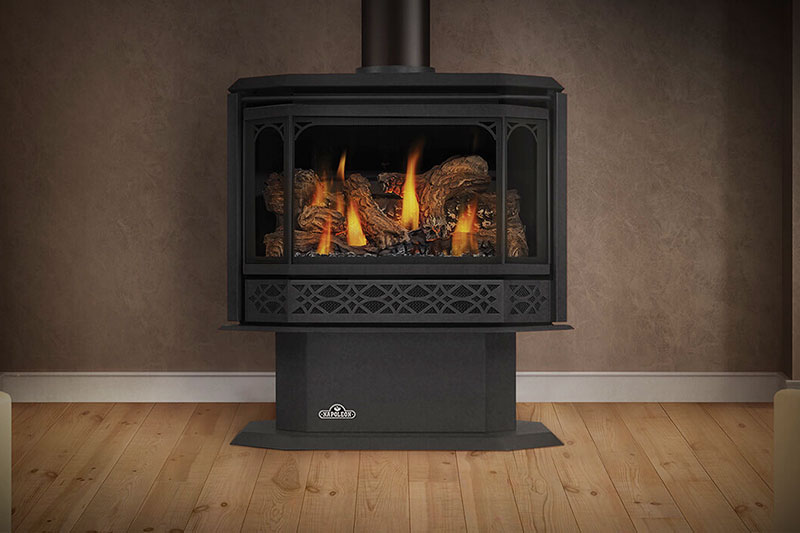
A gas stove brings together the best of two worlds – the warmth, presence, and visual appeal of a real fire with the effortless convenience that you don’t get with a wood-fueled option. Unlike a gas fireplace insert that lives inside an existing fireplace opening, a freestanding gas stove stands on its own as a bold, functional centerpiece – capable of heating a significant portion of your home at the push of a button. Whether you’re looking to add serious supplemental heat to a room, reduce your dependence on central HVAC, or simply create a gathering point in your home that delivers warmth and ambiance on demand, a freestanding gas stove may be the best option for you.
Brands We Carry
Majestic
Urbana
Mendota
Marquis
Napoleon Green Mtn Hearth
Town & Country
Superior Fireplaces
What Are the Benefits of a Freestanding Gas Stove?
- Instant Heat on Demand: Turn the stove on and have real, meaningful heat within minutes – no kindling, no fire-building, no waiting for the wood to catch. Most models include a thermostat, remote control, or even smart home integration for complete convenience – and it’s equally easy to shut off when you’re done.
- Real Flame, Real Ambiance: Unlike electric fireplaces that simulate flame with LED technology, a gas stove produces an actual flame burning inside the firebox. The visual experience is genuine – flickering, dancing flames visible through the stove’s glass door.
- Meaningful Heat Output: Quality gas stoves are rated from approximately 20,000 to over 40,000 BTUs depending on the model – that’s enough to meaningfully heat a primary living area, great room, or open-concept space as a supplemental source.
- No Wood, No Ash, No Mess: Everything that comes with burning wood – sourcing, storing, hauling, ash removal, creosote management, etc. – simply isn’t part of owning a gas stove. The maintenance requirements are substantially simpler, making gas stoves a practical choice for homeowners who want the stove experience without the upkeep commitment.
- Reliable Backup Heat: Many gas stoves with standing pilot ignition systems will continue to operate during a power outage – a meaningful advantage for Florida homeowners who deal with hurricane season. As long as your gas supply is flowing, your stove is heating.
- Flexible Placement: Because gas stoves vent through a relatively compact venting system, they can be positioned in a wide variety of room locations. This flexibility makes them adaptable to rooms and layouts where other heating appliance types wouldn’t be practical.
What Does the Gas Stove Installation Process Look Like?
- Site Assessment: Professionals evaluate the intended location to ensure proper clearances from walls and furniture, floor stability, and optimal venting routes.
- Gas Line Coordination: A licensed tech either taps into an existing gas line or runs a new dedicated line with a shut-off valve to power the unit.
- Hearth Pad Setup: A non-combustible base made of stone, tile, or brick is installed to protect the flooring and meet safety standards.
- Venting Installation: Depending on the model, installers set up a direct vent (drawing air from outside), a natural vent (using room air), or a chimney liner connection.
- Precision Placement: The stove is positioned at specific distances from combustible materials to prevent fire hazards.
- System Connection: The unit is securely attached to both the venting system and the gas supply line.
- Safety Testing: Technicians verify all connections and test the ignition, burner performance, and thermostat response for proper functionality.
How Much Heat Can a Gas Stove Actually Produce?
Think of a gas stove’s heat output like the horsepower in a car – it tells you how much muscle the unit has to warm up your room. This power is measured in BTUs (British Thermal Units). A standard mid-range stove produces about 25,000 to 35,000 BTUs, which is usually plenty to keep a large, open living area feeling cozy during a typical Florida cold snap.
In more practical terms, a high-output stove can act as a primary heat source for nearly half a house, while smaller models are best for taking the chill off a single room. The actual performance depends on your home’s “envelope” – factors like high ceilings or poor insulation mean you’ll need more power to get the same results. Choosing the right size ensures your stove runs efficiently without constantly cycling on and off or leaving you shivering on the coldest nights, so work with us to ensure you get the best fit for your space.
What Are the Venting Options for a Freestanding Gas Stove?
Venting is one of the most critical – and most frequently misunderstood – aspects of gas stove installation. The right venting approach depends on your stove model, the location in your home, and the structural realities of where the stove will be installed.
- Direct vent systems use a coaxial or co-linear two-pipe configuration – one pipe draws fresh combustion air directly from outside the home, and the other exhausts combustion gases back out. These can be routed horizontally through an exterior wall or routed vertically through the ceiling and roof when horizontal termination isn’t feasible. This is also the most energy-efficient venting approach because it doesn’t consume conditioned interior air for combustion.
- Natural vent (B-vent) systems draw combustion air from inside the room and vent exhaust gases vertically through a dedicated B-vent chimney system. These require a vertical venting run and cannot terminate horizontally through a wall. They’re typically less efficient than direct vent because they draws heated room air into the combustion process, but they’re a viable option when the stove location and home layout make a vertical venting run practical.
In some installations, a gas stove can be vented into an existing masonry chimney with an appropriately sized and listed liner installed. The chimney must be inspected and confirmed suitable for a gas appliance before this approach is used.
Improper venting can result in combustion gas intrusion into the living space, carbon monoxide exposure, and significant safety hazards. Venting selection and installation is not an area where shortcuts are acceptable. Our team evaluates every variable before making a recommendation.
How Safe Are Freestanding Gas Stoves?
Modern freestanding gas stoves are designed with multiple layers of protection to make them a very safe heating option. The most critical safety feature is the sealed direct-vent system, which completely separates the fire from your room’s air, ensuring exhaust stays outside. Additionally, these units include automatic shut-off sensors that kill the gas supply if the pilot light goes out or if the unit begins to overheat.
While the technology is advanced, safety ultimately depends on professional installation and smart habits. Experts emphasize that built-in safety features can only function correctly if the stove has proper venting and the right “breathing room” from furniture.
To keep your home safe, follow these essential practices:
- Install Detectors: Place carbon monoxide and smoke detectors on every level of your home.
- Respect Clearances: Never place furniture, curtains, or decor near the stove’s hot surfaces.
- Schedule Annual Tune-ups: Schedule a professional inspection every year to check for leaks or wear.
- Play It Safe: If you ever smell gas, leave the house immediately and call your gas provider—never try to fix it yourself.
How Do You Maintain a Freestanding Gas Stove?
One of the most frequently cited reasons homeowners choose gas over wood is the dramatically reduced maintenance burden – and it’s a legitimate advantage. That said, a gas stove is not a zero-maintenance appliance, and treating it like one is how small issues become expensive problems.
- Always invest in a full annual inspection of the stove, burner assembly, ignition system, and all gas connections.
- Keep the ceramic or tempered glass door clean using a dedicated fireplace glass cleaner.
- Wipe down the stove body with a soft cloth to prevent dust accumulation – just avoid abrasive cleaners on painted or enamel surfaces.
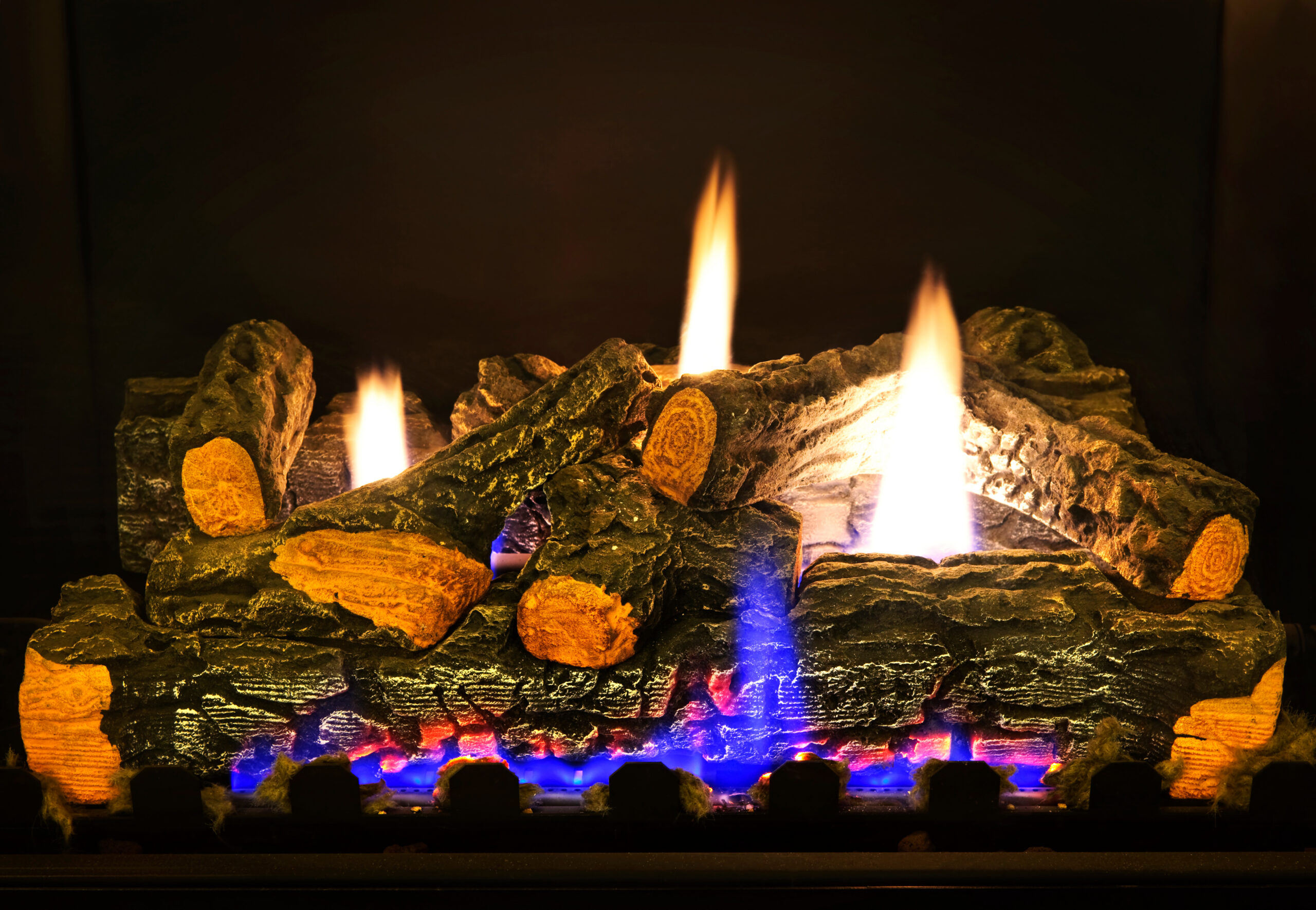
- Get familiar with what your stove’s flame looks like under normal operation – a healthy gas flame should be predominantly blue with yellow tips.
- Periodically verify that the exterior vent termination cap is clear of debris, nests, or vegetation that could restrict airflow.
- Never ignore the smell of gas near the stove, and if you detect any odor that wasn’t there before, stop using the stove and call a professional before the next use.
The maintenance profile of a gas stove is genuinely simpler than a wood-burning appliance — and for many homeowners, that simplicity is one of the primary reasons they choose gas. Annual professional service keeps that simplicity intact and your stove operating safely and efficiently for the long term.
Ready to Install a Gas Stove in Your Home?
A freestanding gas stove is one of those home additions that genuinely changes how you experience your living space – especially during those cooler Florida evenings when you want warmth, ambiance, and comfort without the effort of managing a wood fire. It’s real heat, a real flame, and real character in a room, all accessible at the push of a button. At Legendary Chimney Solutions, we’ve helped homeowners across Eastern and Central Florida bring that experience into their homes for over 30 years. Book with us today – we’re ready for your call.
Love the rustic ambiance of burning wood? You’ll see we have lots of fuel options when it comes to home heating stoves.