
Electric Fireplace Installation: Everything You Need to Know
Trust Us in Ormond Beach, Orlando & More
Electric fireplaces have come a long way from the flickering plastic inserts of decades past. Today’s electric fireplace technology delivers remarkably realistic flame effects, customizable heat output, and a level of design flexibility that no other fireplace type can match. No gas lines. No venting. No chimney required. For Florida homeowners who want the warmth and visual appeal of a fireplace without a major construction project, an electric fireplace can be an elegant, practical, and surprisingly sophisticated solution.
Brands We Carry
Dimplex
UpTown Luxury Electric Fireplaces
Napoleon
Simplifire
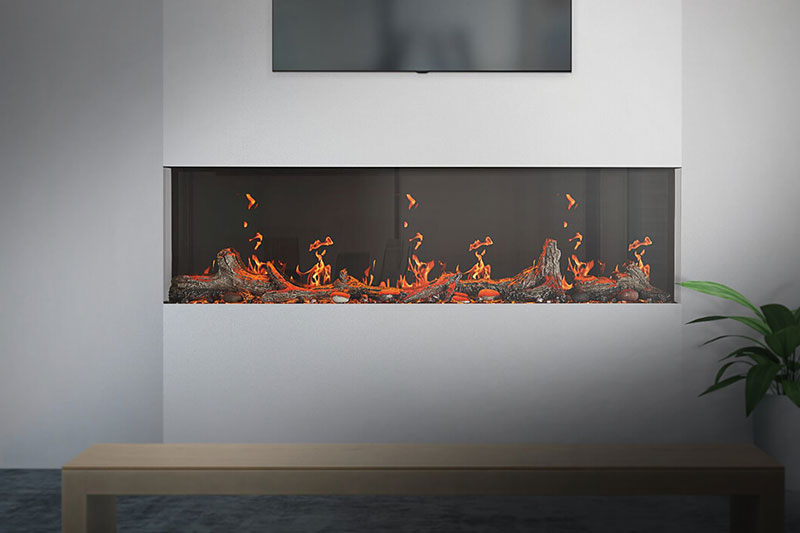
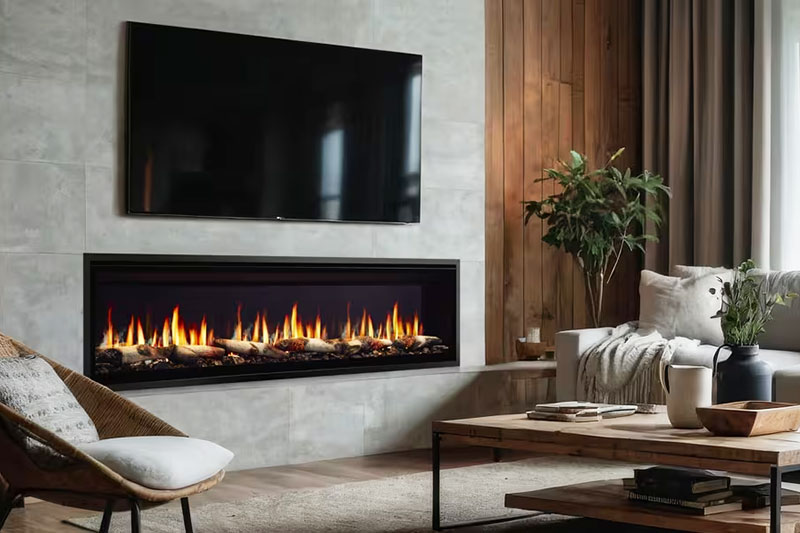
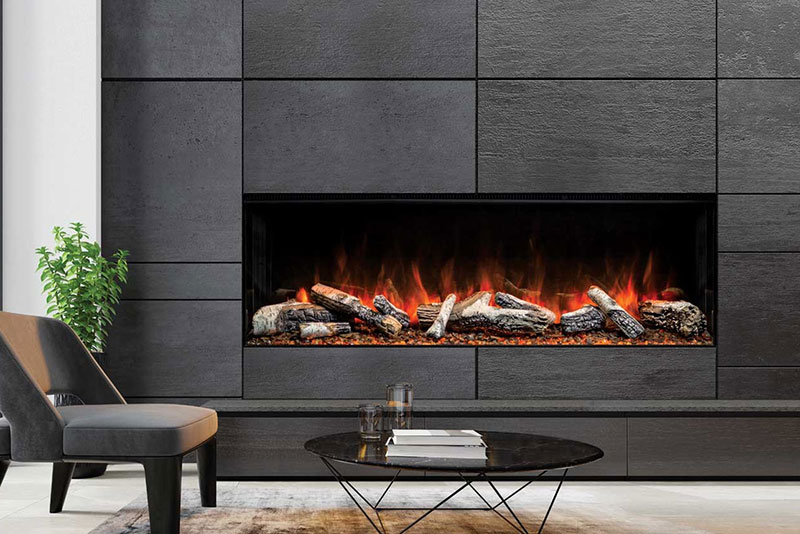
How Does an Electric Fireplace Actually Work?
Understanding the technology behind an electric fireplace helps you make smarter purchasing decisions and set realistic expectations for performance. Electric fireplaces are more technically advanced than most people realize — and the quality difference between a well-engineered unit and a cheap one is significant.
At their core, electric fireplaces combine two independent systems — a flame effect system and a heating element — that can often be operated together or completely separately.
The Flame Effect System
- Modern electric fireplaces use LED lighting technology projected onto a series of refractors, mirrors, or light-diffusing screens to simulate the movement and appearance of real flames
- High-quality units layer multiple light sources and add simulated ember beds, log glow effects, and even crackling sound systems to deepen the realism
- LED systems are exceptionally energy-efficient and long-lasting — quality LED components can run for tens of thousands of hours before requiring replacement
- Many units offer full color customization, allowing you to shift flame color from traditional orange and yellow to blue, violet, or multicolor settings depending on your mood or décor
- The flame effect operates independently of the heater — you can enjoy the visual ambiance of a fire on a warm Florida evening without adding any heat to the room whatsoever
The Heating Element
- Most electric fireplaces use one of two heating technologies: fan-forced coil heating or infrared quartz heating
- Fan-forced systems blow air across a heated coil, distributing warmth quickly throughout the room — effective for general ambient heating
- Infrared quartz systems emit radiant heat that warms people and objects directly rather than just the air — similar in principle to the warmth of sunlight, and more effective at maintaining comfort in drafty or high-ceiling spaces
- Heat output is measured in BTUs, with most residential electric fireplaces ranging from 4,000 to 9,000 BTUs — sufficient to take the chill off a room or serve as a supplemental heat source
- Virtually all electric fireplaces include adjustable thermostats, multiple heat settings, and automatic shutoff features for safety and energy efficiency
This What Does Electric Fireplace Installation Involve?
One of the most appealing qualities of electric fireplaces is that they don’t require a chimney, gas line, or combustion venting system – but that doesn’t mean installation is always as simple as plugging something in.
- Freestanding Units: Ensure the unit is placed away from high-traffic areas and that the power cord is safely routed, keeping a minimum clearance of at least 3 feet in front of the unit during operation.
- Wall-Mounted Units: Locate and mark wall studs for secure anchoring, then route power supply to the installation location. Level mounting is essential.
- Recessed Built-In Units: This requires framing a wall cavity to the manufacturer’s specified dimensions. Electrical rough-in must be completed before drywall is closed. Surrounding wall finish work is completed around the recessed box, and proper clearances around the unit must be maintained for heat dissipation.

How Do I Operate My Electric Fireplace for the Best Experience?
Electric fireplaces are among the most user-friendly home appliances on the market, but getting the most out of your unit – in terms of both comfort and energy efficiency – means understanding what your system can actually do.
- Read your owner’s manual before first use, as every manufacturer programs controls slightly differently, and understanding your specific unit prevents frustration.
- On first use, it’s normal for a new electric fireplace to emit a faint odor as manufacturing residue burns off – this dissipates within the first hour of operation.
- Most units offer multiple flame brightness levels, so experiment to find what looks best in your room’s lighting conditions.
- Keep children and pets at a safe distance from the unit – while electric fireplaces don’t produce an open flame, the front glass or grille on heating units can become warm to hot during extended operation.
- Never drape fabric, clothing, or curtains near or over the unit.
- Ensure the air intake and exhaust vents on the unit remain unobstructed during operation, as blocking vents causes the unit to overheat and can trigger the thermal safety shutoff.
- Do not operate in excessively humid environments such as bathrooms or enclosed pool areas unless the unit is specifically rated for that use.
What Maintenance Does an Electric Fireplace Require?
Here’s where electric fireplaces truly shine compared to wood and gas systems – their maintenance requirements are minimal. There are no combustion byproducts, no creosote, no gas valve degradation, and no annual professional sweeping required. However, “low maintenance” is not the same as “no maintenance” – and a few simple habits will keep your unit looking and performing like new for years.
- Dust the unit regularly. Dust accumulation on the exterior, glass panel, and interior reflectors dulls the flame effect and can accumulate near the heating element – a soft, dry microfiber cloth is all you need for the exterior.
- Clean the glass panel. Use a non-ammonia glass cleaner applied to a cloth (never sprayed directly onto the unit) to keep the viewing glass clear.
- Vacuum the air intake vents. Fan-forced units draw air in through intake grilles that can collect dust and pet hair over time – a vacuum with a soft brush attachment keeps these clear and maintains proper airflow.
- Inspect the power cord and plug periodically. Look for any signs of fraying, discoloration, or heat damage, and replace immediately if any damage is found.
- Check that all remote control batteries are fresh at the start of each use season. This prevents professional servicing calls that could have been avoided with a quick trip to a local store.
How Energy Efficient Are Electric Fireplaces? What Will It Cost to Run?
Electric fireplaces convert 100% of the electricity they consume into heat – there is no energy lost to venting, draft, or combustion inefficiency the way there is with gas or wood systems.
However, the cost of electricity per BTU is generally higher than the cost of natural gas in most markets, meaning that while an electric fireplace is technically 100% efficient, it may cost more to operate per hour than a comparable gas unit.
For zone heating – warming a single room rather than the whole house – electric fireplaces tend to reduce overall home energy costs by allowing you to lower the central thermostat while keeping your primary living area comfortable.
Is an Electric Fireplace the Right Choice for My Home?
Electric fireplaces aren’t the right fit for every homeowner or every situation, but for a surprisingly wide range of Florida homes and lifestyles, they’re an exceptional choice. Here’s how to think through whether an electric fireplace belongs in your home.
- You live in a condo, apartment, or HOA community where gas lines and venting modifications are restricted or prohibited.
- You rent your home and want a fireplace experience you can take with you when you move.
- You’re converting a non-functional masonry fireplace into a decorative, operational focal point without major renovation.
- You want the flexibility to place a fireplace in a room where gas lines and chimney routing aren’t practical – a bedroom, home office, sunroom, or dining room, for example.
- You’re designing a contemporary or modern interior where a linear electric fireplace becomes a defining architectural feature.
- You want to use your fireplace year-round for ambiance without adding heat – something only an electric unit makes practical in Florida’s warm climate.
Ready to Add an Electric Fireplace to Your Home?
Whether you’re looking to convert an old fireplace into a modern electric showpiece, install a sleek wall-mounted linear unit as a living room focal point, or simply find the right freestanding model for your space, Legendary Chimney Solutions is here to help you navigate every decision. We bring the same level of knowledge, care, and professionalism to electric fireplace projects that we apply to every chimney and hearth system we service – because your home deserves nothing less than legendary service.
Call us today or reach out online to schedule a consultation and find the electric fireplace solution that fits your home, your style, and your budget. We serve homeowners throughout Volusia, Orange, Seminole, Saint Johns, Lake, Flagler, Putnam, and Brevard counties, and we’re ready to help you enjoy the warmth and ambiance of a beautiful fireplace every single day of the year.
Prefer burning wood or gas instead? Our fireplace options are expansive – you’re sure to find something you’ll love.