
Wood Fireplace Installation & Proper Burning Practices With Legendary Chimney
Trust Us in Ormond Beach, Orlando & More
There’s nothing quite like the warmth, crackle, and ambiance of a real wood-burning fireplace. Whether you’re installing a brand-new system or simply looking to get more out of the one you already have, doing it right matters – not just for comfort, but for the safety of your home and family. At Legendary Chimney Solutions, we’ve spent over 30 years helping homeowners across Eastern and Central Florida install, maintain, and enjoy wood-burning fireplaces the right way. From proper system selection to safe burning habits, we’re here to make sure every fire you light is a legendary one.
Brands We Carry
Pacific Energy
Superior Fireplaces
Hearthstone
Empire Stove
True North
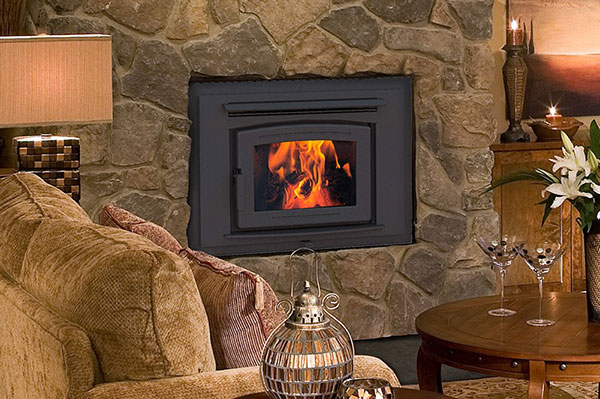
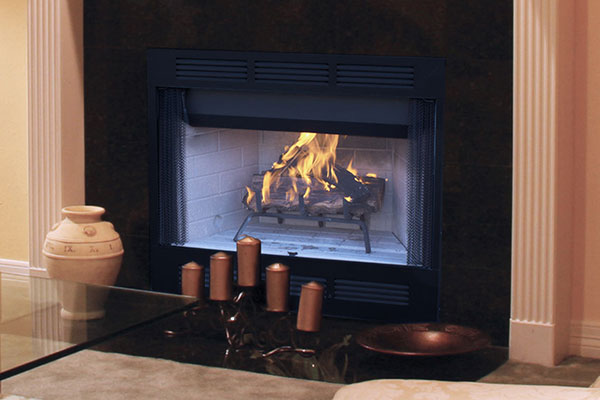
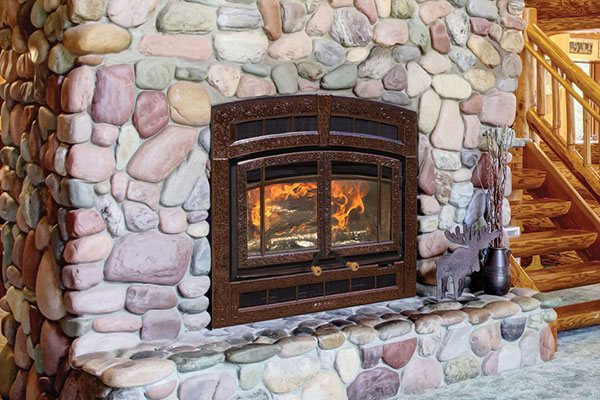
What Types of Wood-Burning Fireplaces Are Available?
Not all wood-burning fireplaces are the same. Understanding your options before installation ensures you get the right system for your home, your lifestyle, and your space.
There are two primary categories of wood-burning fireplaces: masonry fireplaces and factory-built (prefabricated) fireplaces. Each has its own advantages, and our team can help you weigh what makes the most sense for your specific situation.
Masonry Fireplaces
- Built on-site using brick, stone, or concrete block
- Extremely durable and long-lasting
- Excellent heat retention
- Continues radiating warmth even after the fire dies down
- Ideal for new construction or major renovation projects
- Can be customized to match your home’s architecture, including historic homes
Factory-Built (Prefabricated) Fireplaces
- Manufactured off-site and installed as a complete unit
- More affordable upfront with faster installation timelines
- A wide variety of styles and sizes to choose from
- Must be paired with a compatible, manufacturer-approved flue system
- Great option for homes where a full masonry build isn’t practical
What’s Involved in Wood Fireplace Installation?
A wood fireplace installation is more than placing a firebox in a wall — it’s a complete system that must be designed, built, and inspected to code. Cutting corners during installation is one of the leading causes of chimney fires and carbon monoxide hazards.
- Site Evaluation: Assessing your home’s structure, ceiling height, existing framing, and ventilation needs
- Firebox & Hearth Installation: Ensuring proper clearances from combustibles on all sides
- Chimney System Installation: This will include a new liner, insulation, housing, cap, etc.
- Draft Testing: Confirming the system draws properly to push smoke and gases safely out of the home
- Final Inspection: All installations should meet NFPA 211 standards and local building codes
- Clearance to Combustibles: Woodwork, flooring, and nearby materials must maintain required distances per code

What Kind of Wood Should I Burn? What Type Should I Avoid?
The wood you choose to burn has a direct impact on the efficiency of your fireplace, the buildup inside your chimney, and the air quality in your home. This is one of the most overlooked aspects of wood fireplace ownership.
When, it comes to burning wood in your fireplace, using seasoned hardwoods is always your best bet – think oak, hickory, ash, and maple.
- Wood should be dried for a minimum of 6-12 months after splitting
- Properly seasoned wood has a moisture content of 20% or less (use a wood moisture meter to check)
- Seasoned wood burns hotter, produces less smoke, and generates far less creosote buildup
Green or wet wood burns poorly, produces heavy smoke, and dramatically accelerates creosote accumulation, while softwoods – like pine or cedar – produce higher resin content and increase creosote and sparking risk.
You should also avoid burning treated, painted, or stained wood, as these release toxic chemicals when burned. In addition, driftwood or salt-soaked wood produces corrosive byproducts that damage your chimney liner. And, of course, don’t burn garbage, cardboard, or paper products, as these can cause flare-ups and introduce dangerous materials into your flue
What Is Creosote & Why Should I Be Concerned About It?
Creosote is the natural byproduct of burning wood, and it’s the single biggest hazard associated with wood-burning fireplaces. Every fire you burn deposits some level of creosote inside your flue – the question is how much, and what stage it develops into. There are three stages of creosote:
- Stage 1, which is flaky, dusty, and the easiest to remove, typically being swept away during a routine cleaning.
- Stage 2, which is tar-like, crunchy, and harder to remove, requiring more intensive cleaning tools and techniques.
- Stage 3, which is glazed, hardened, and extremely difficult to remove – in severe cases, it may require chemical treatments or a full liner replacement.
The good news is that creosote buildup is largely preventable with the right burning habits and regular professional chimney sweeping. The NFPA recommends annual chimney inspections – and Legendary Chimney Solutions is here to make sure your system stays cleaner, clearer, and safer.
How Often Should My Wood-Burning Fireplace Be Inspected and Cleaned?
The standard recommendation from both the NFPA and CSIA is to invest in annual inspections for all wood-burning fireplaces, regardless of how often they’re used. These inspections should cover:
- Firebox and damper condition
- Flue liner integrity (cracks, deterioration, or obstructions)
- Creosote level assessment
- Cap and crown condition
- Draft performance
- Clearances and overall system safety
At Legendary Chimney Solutions, our CSIA-certified technicians perform thorough Level 1 and Level 2 inspections and will always give you an honest, clear report on the condition of your system — no upselling, no surprises.
Is a Wood-Burning Fireplace Right for My Florida Home?
Florida homeowners sometimes wonder whether a wood-burning fireplace makes sense in a warmer climate. The answer is absolutely yes – with the right setup and realistic expectations.
- Florida evenings and winters can get surprisingly cool, especially in Central and North Florida
- A wood fireplace adds undeniable ambiance and value to any home.
- Many Florida homeowners use their fireplace seasonally, which is perfectly fine as long as annual maintenance is kept up.
Ready to Install a Wood Fireplace?
Whether you’re starting from scratch or simply want to ensure your existing wood-burning fireplace is safe and performing at its best, Legendary Chimney Solutions is your trusted partner across Eastern and Central Florida. Our CSIA-certified master sweep has over 32 years of experience, and we personally answer every call – because your home deserves that level of care.
Call us today or reach out online to schedule your installation consultation or annual inspection. We serve homeowners throughout Volusia, Orange, Seminole, Saint Johns, Lake, Flagler, Putnam, and Brevard counties, and we’re ready to make your fireplace experience truly legendary.
Looking for something more low maintenance when it comes to your fireplace setup? Check out our gas options.